

Sexism in Saxony's police force: Study reveals underlying factors
Derogatory remarks, discrimination, and physical harassment: A study by the University of Leipzig highlights the forms of sexism that occur within the Saxony Police Department and explains why those affected find it difficult to speak out about it.
Read Aloud
0:00
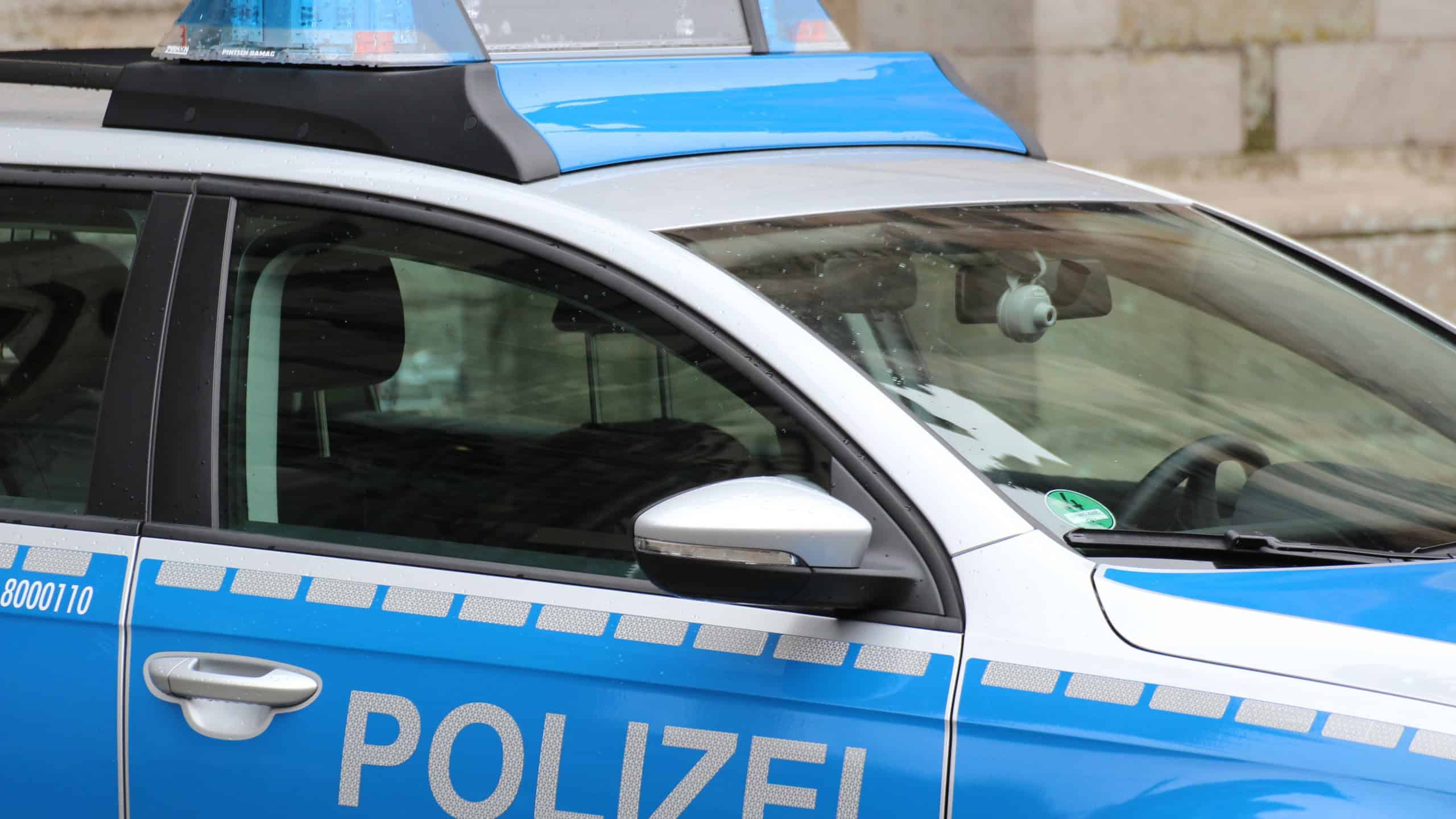
Sexism in the Police Force: A study by the University of Leipzig reveals the forms of discrimination and inappropriate behavior that occur within the Saxony Police Department. © Ingo Kramarek/pixabay
Anyone who dials 110 is counting on the police. But how do police officers treat one another? A study by the University of Leipzig shows that sexism also exists within the Saxony Police Department. People are devalued, discriminated against, or sexually harassed because of their gender.
For example, one female officer told the researchers about a male colleague who massaged her at her desk without asking. Even when she told him to stop, he continued. Other respondents spoke of lewd comments, unwanted physical contact, and discrimination on the job.
For the study, the researchers conducted 23 in-depth interviews with police officers of various ranks and areas of responsibility. “Police work thrives on trust,” says State Police President Jörg Kubiessa. That is why the police must also take a hard look at themselves.
When assaults are considered a joke
The interviews reveal why it can be difficult for those affected to stand up against sexism. Some laugh off suggestive remarks or try to ignore them. Others initially wonder if they are overreacting. After all, what they perceive as hurtful is sometimes portrayed by colleagues as a harmless joke.
Added to this is the fear of the consequences of filing a complaint. Police officers depend on their colleagues; on the job, they must be able to rely on one another. Anyone who brings up an incident risks being ostracized within the group. Dependence on superiors can also play a role. Those affected have varying experiences in this regard. Some report a lack of support or say they didn’t know whom to turn to. Others describe how their superiors took their complaints seriously and helped them.
Sexism cannot be explained solely by the misconduct of individuals, emphasizes co-author Sophia Weißer of the University of Leipzig. Conditions within the police force are also decisive. These include the chain of command, the close camaraderie among colleagues, and an organizational culture heavily dominated by men.
Other studies show that such problems are not limited to Saxony. In a nationwide police study published in 2024, about 40 percent of respondents reported having overheard sexist remarks from colleagues within a year.
How widespread is sexism in the police force?
The Leipzig study provides insights into specific experiences and possible causes. However, the 23 interviews do not allow us to determine how frequently such incidents occur within the Saxon police force. A further investigation is intended to clarify this. The Saxon Institute for Police and Security Research, which is part of the Saxon Police Academy, surveyed employees for this purpose. The responses are currently being analyzed. “We will also inform the public about this,” says Institute Director Prof. Dr. Marcel Schöne.
Sexism exists throughout society, says study director Prof. Dr. Thomas Schmidt-Lux of the University of Leipzig. However, it is necessary to examine the specific conditions under which it occurs within individual organizations. “Our study highlights this specifically for the Saxon police and offers a variety of starting points for tailored measures.”
The police now intend to review and improve their reporting and support services. Managers are expected to better support those affected and consistently punish misconduct. It remains to be seen whether these measures will change the way things are handled within the police force.
Original publication:
Thomas Schmidt-Lux, David Czudnochowski, Marcel Schöne, and Christoph Meißelbach (eds.): Sexism on the Job. Everyday Police Life and Sexist Discrimination. Police & Science Series, Verlag für Polizeiwissenschaft, 2026. ISBN 978-3-86676-983-0.