East Germany and reunification: Leipzig establishes new research center
How did the GDR and the years following reunification shape people’s lives? A new center is being established at the University of Leipzig to examine this period from various perspectives.
Read Aloud
0:00
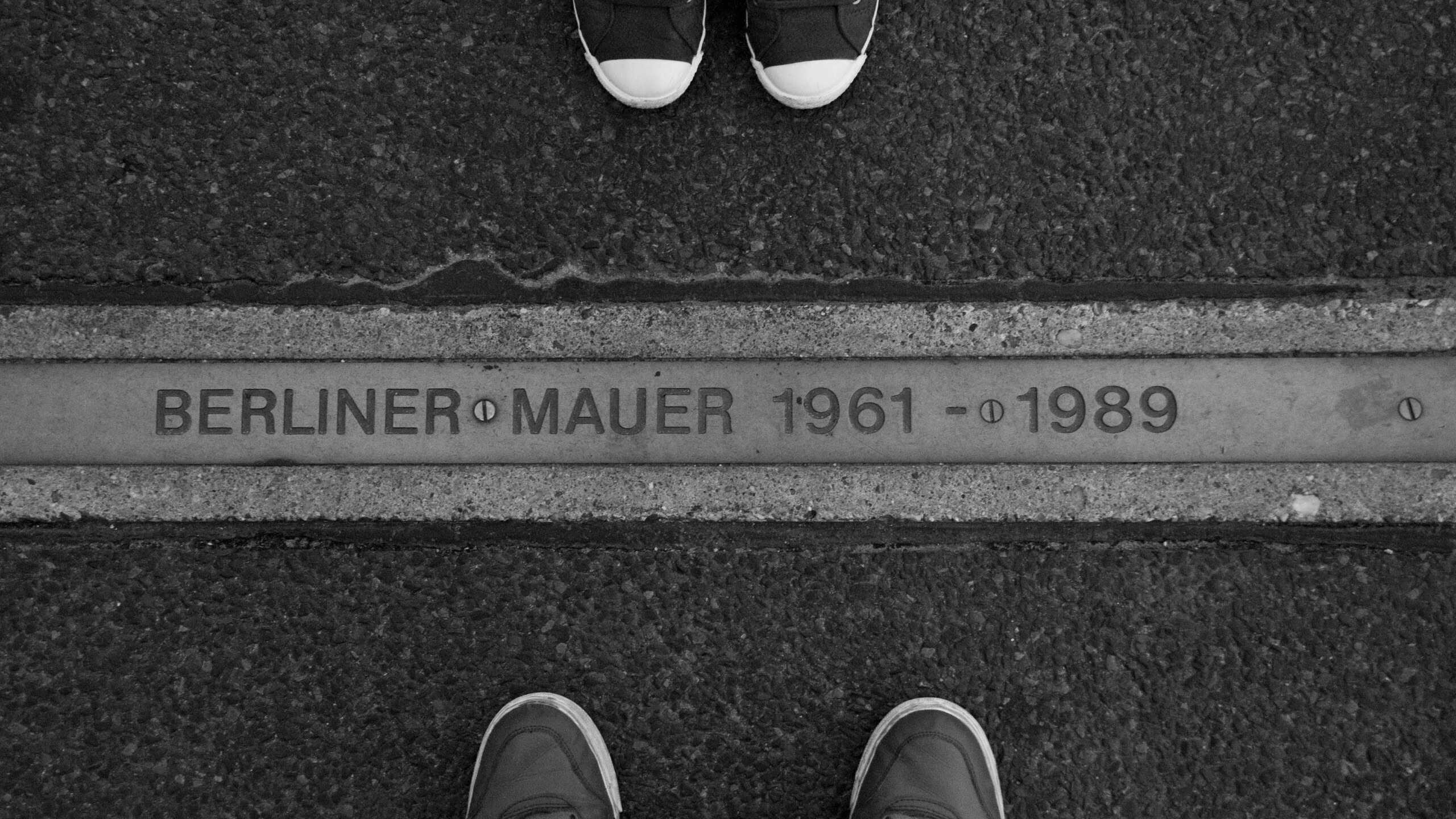
The Berlin Wall separated East and West Berlin from 1961 to 1989. The University of Leipzig plans to conduct even more in-depth research in the future on how people experienced life in the GDR and the period following the fall of the Wall. © Abian Valido/pixabay
Even today, many families still talk about the GDR and the years following reunification. Memories of everyday life are intertwined with experiences of the SED dictatorship. For many people, the upheaval after 1989 brought new opportunities; for others, it meant the loss of their jobs and great uncertainty. At the University of Leipzig, these experiences are to be researched even more intensively in the future.
To this end, the university is establishing a “Center for Comparative GDR and Transformation Research.” Transformation refers to the profound political, economic, and social upheaval that followed 1989. The Federal Ministry of Research is supporting the initiative with just under three million euros. The funding will run from October 2026 to September 2031.
Examining the GDR in a comparative context
Leipzig played a central role in the Peaceful Revolution of 1989. Tens of thousands of people took to the streets here that fall to demand freedom and democracy. Researchers at the university have also been studying the GDR and the post-reunification era for many years. The new center is intended to consolidate this work and bring together various disciplines. The center will be led by historian Dirk van Laak and cultural sociologist Monika Wohlrab-Sahr.
The researchers do not merely want to examine what happened in the GDR. They are also interested in how people experienced that era, how they remember it today, and what consequences the upheaval after 1989 has had up to the present. The 1990s, in particular, are the focus of this research. It was during this period that political and economic decisions were made whose consequences are still felt today. At the same time, the upheaval affected people in very different ways.
Poland and the Czech Republic also underwent profound changes after 1989. Comparisons with these countries can reveal which developments were specific to East Germany and which can also be observed elsewhere. Such comparisons have long been established in academia and are also intended to play a role in the work of the Leipzig Center.
Research that invites public input
However, the Center is not intended to be merely a place for researchers. The goal is to “facilitate an exchange between academia and the public,” says van Laak. Citizens should be able to contribute to the collection of experiences and participate in discussions about research findings. Training programs, scientific consulting, and practice-oriented courses are also planned.
For Wohlrab-Sahr, collaboration with institutions dedicated to remembrance culture and civil society initiatives is particularly important. “The research center is intended to serve as a point of contact and orientation for the city’s community and, from there, to extend its reach to the region, the country, and beyond.”
The establishment of the Leipzig center is part of a larger federal funding initiative. A total of up to twelve million euros will be available starting in 2026 to strengthen GDR research at German universities. The Leipzig center is intended to continue operating even after the five-year funding period ends. However, it remains to be seen whether the research can be permanently established at the university.