

How are Germany’s sports clubs faring?
Finding volunteers, securing funding, maintaining sports facilities: Clubs face many challenges. A nationwide research project involving Chemnitz University of Technology is examining how club sports are evolving and where they need support.
Read Aloud
0:00
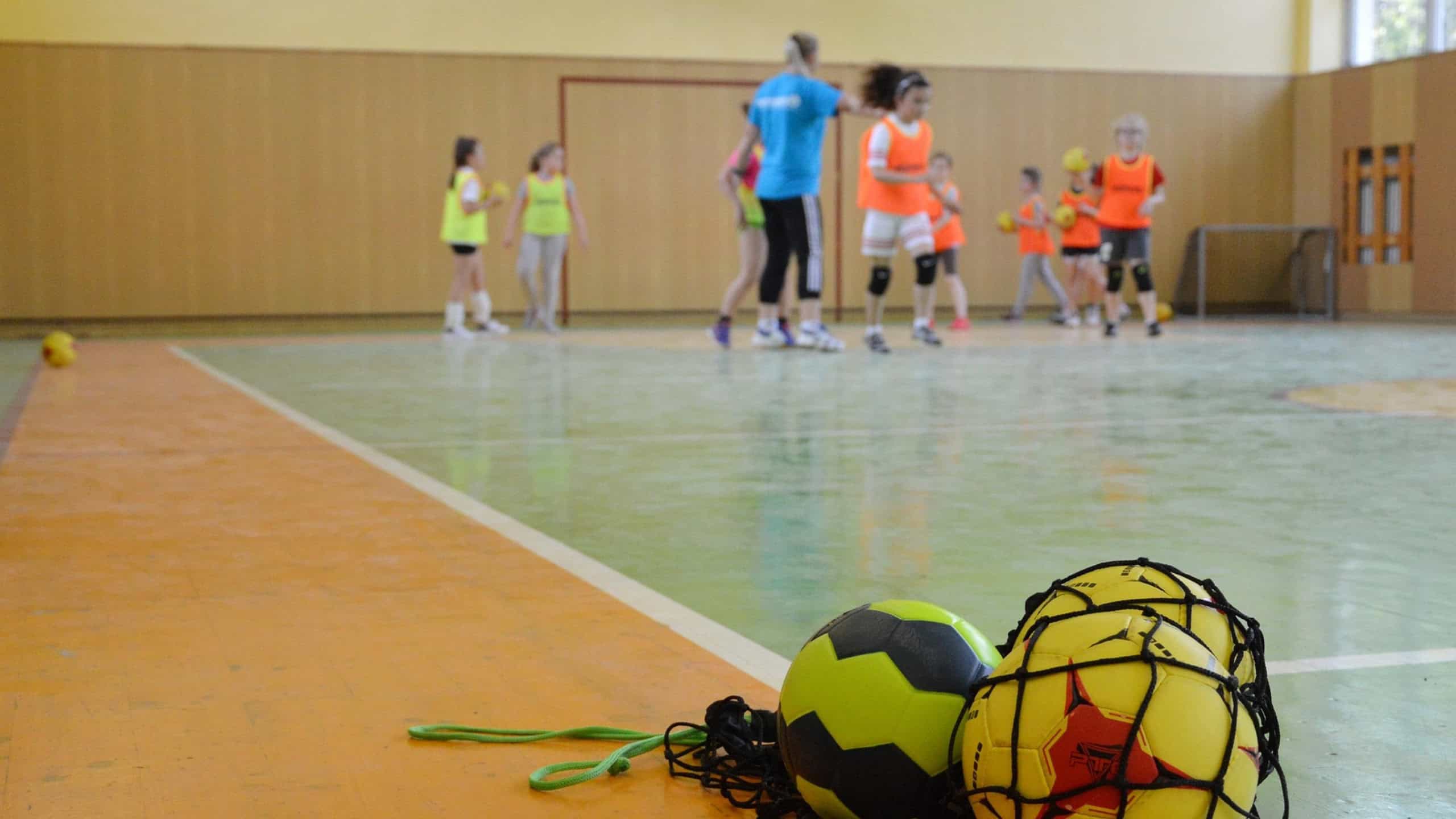
Sports clubs provide children and teenagers with opportunities to exercise and train together. Researchers at Chemnitz University of Technology are studying how these clubs are evolving in Germany. © rovin/pixabay
Millions of people in Germany participate in sports through clubs. They play soccer, do gymnastics, or swim. Sports clubs play a major role in providing sports and physical activity opportunities in Germany. However, this is often challenging.
Clubs must find and retain volunteers. They need funding for their programs and must manage gyms and sports fields. A nationwide research project involving Chemnitz University of Technology is examining how sports clubs are evolving and where they need support.
What Germany’s sports clubs are dealing with right now
The research project is called the “Sports Development Report,” or SEB for short. It’s not new. Data on German club sports has been collected regularly since 2004. Now the project is entering a new phase. In addition to Chemnitz University of Technology, universities in Koblenz, Kaiserslautern-Landau, and Düsseldorf are participating. “Sports clubs and associations should be able to more clearly recognize where they stand, what trends are emerging, and where there is a concrete need for action,” explains Torsten Schlesinger, a professor at Chemnitz University of Technology.
To this end, clubs and their members across Germany are being surveyed online. The surveys will take place in three rounds. Among other things, the researchers want to find out what experiences members have in their clubs and how these relate to the clubs’ structures and societal changes. Additional data will be added later, such as information on sports facilities and volunteer work.
Data to help sports clubs
All information is collected in one place. Clubs will later be able to access the results via a digital interface. There, they can track trends and compare their situation with that of other clubs.
The data is also intended for advisory purposes. It allows services to be better tailored to the specific circumstances of individual clubs. Sports federations and policymakers can also use the results as a basis for decision-making.