
What bird data reveals about the state of nature
Lapwings, skylarks, and yellowhammers are becoming less common. Researchers from Leipzig want to use data from bird observations to make changes in nature easier to measure.
Read Aloud
0:00
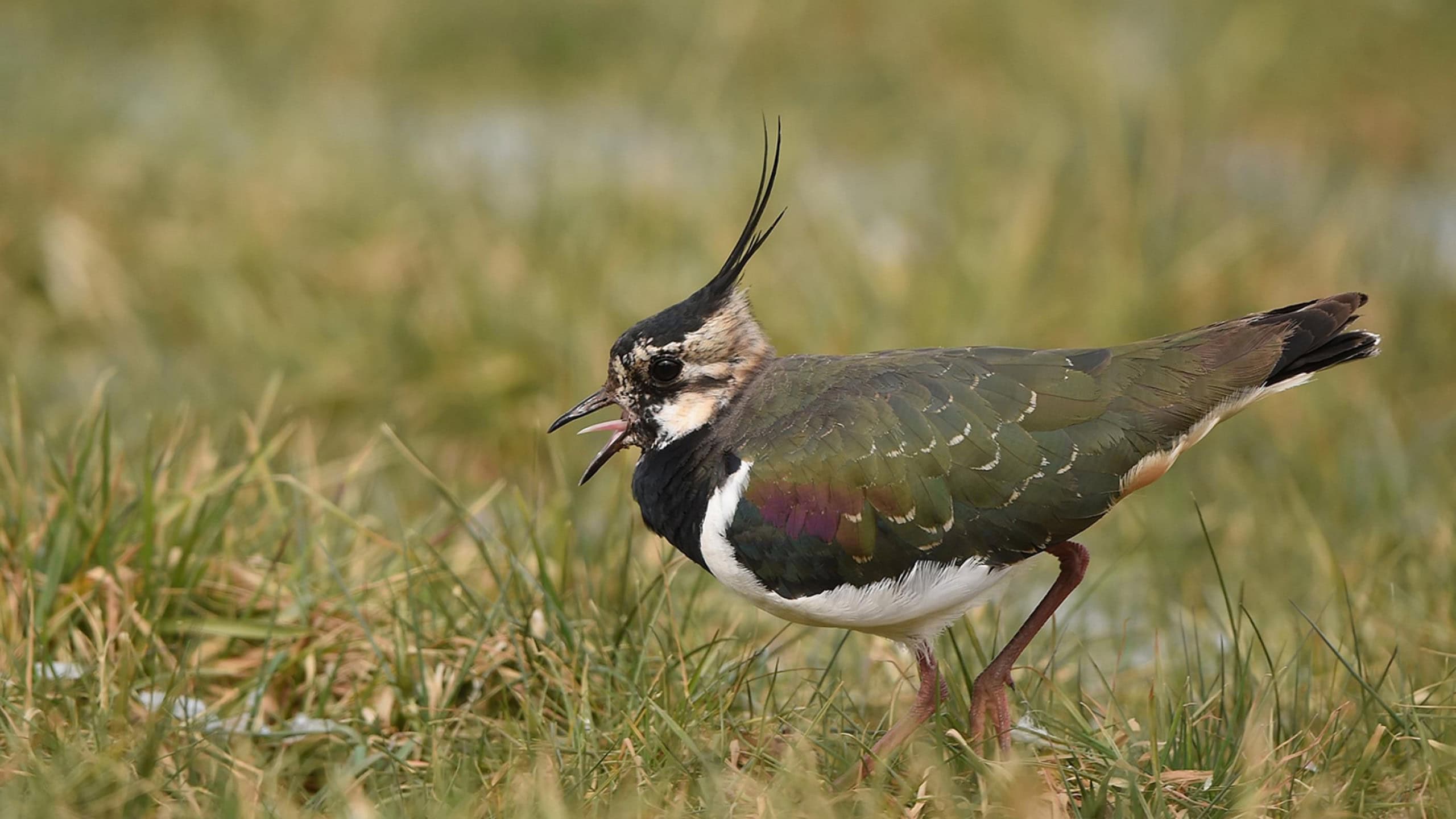
The lapwing is one of the bird species whose populations have declined sharply. Since 1990, its population in Germany has fallen by about 80 percent. © Christian Gelpke
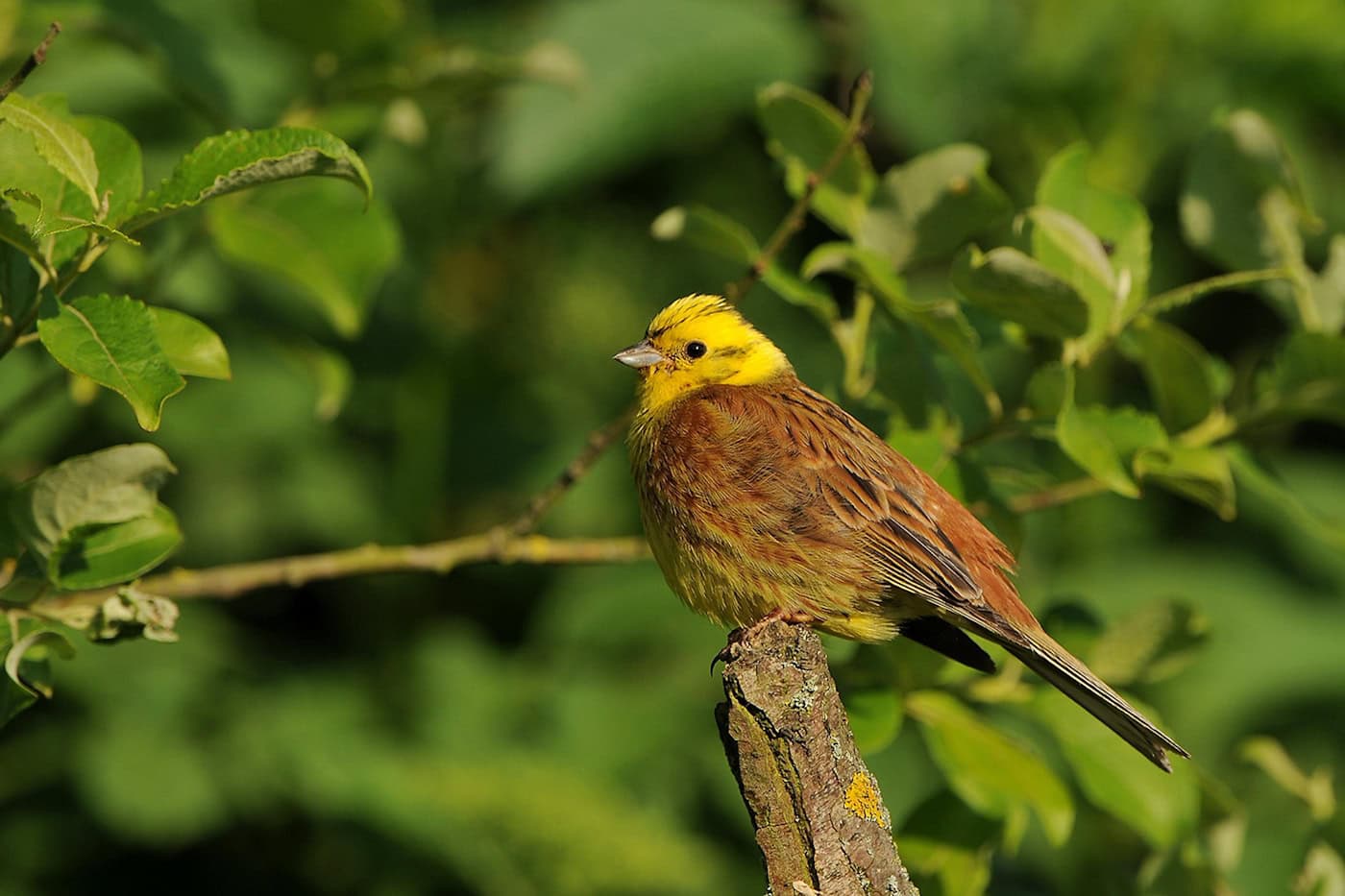
Skylarks, partridges, and lapwings were once a common sight in fields and meadows. However, their populations have declined sharply in recent decades. The lapwing population has declined by about 80 percent since 1990. Since 2006, more than one in four yellowhammers in Germany has disappeared.
Such bird data is valuable. This is because birds have been monitored in Germany for decades, thanks in part to many volunteers. That is why researchers have a particularly good understanding of where bird populations are growing or shrinking. For biodiversity as a whole, however, such precise data is often lacking.
A new research project therefore aims to use the extensive bird data to make changes in nature more measurable. “When it comes to protecting biodiversity, we often face the problem that we lack concrete data and there are still no generally accepted indicators that reflect spatial and temporal changes in biodiversity,” says biodiversity researcher Katrin Böhning-Gaese of the Helmholtz Centre for Environmental Research (UFZ) in Leipzig.
She leads the “TripleBird” research project in collaboration with the Umbrella Association of German Avifaunists, as well as with the German Center for Integrative Biodiversity Research (iDiv) in Leipzig and the University of Potsdam. The federal government, along with the states of Saxony and Saxony-Anhalt, are providing approximately five million euros in funding.
A digital representation based on millions of bird observations
The “BirdTwin” subproject is creating a kind of digital representation of bird populations in Germany. To this end, the researchers are consolidating various data sets in one place. More than 3.8 million precisely geolocated observations of common breeding birds are being incorporated, along with approximately one million additional observation lists. This data is supplemented with information on climate, the environment, and land use.
“With the digital twin, we ensure that this data is processed in a way that is appropriate and tailored to our needs, and made available for model-based scenario development and applications in nature conservation,” explains Petra Jacobs, who leads the subproject.
A monitoring tool covering all of Germany is set to be developed from the bird data before the end of this year. It will initially track the trends of nine bird species that primarily inhabit fields and meadows. These include the skylark, yellowhammer, and lapwing. Additional common breeding bird species will be added later. The data will be updated annually.
What happens if there are more hedgerows and fallow land?
In the “BirdFutures” subproject, the researchers aim to calculate possible future trends. “We can run through various scenarios regarding land use and climate,” says project leader Tatiane Micheletti. This makes it possible, for example, to estimate how more hedgerows or areas left uncultivated for a period of time might affect certain bird species. This would allow for a comparison of various measures in nature conservation or agriculture.
The "BirdBusiness" subproject aims to make the data usable for companies and banks as well. “For example, the goal is to determine whether companies are investing in a region that is particularly important for biodiversity, and whether these investments could have an impact on biodiversity,” says Johannes Förster of the UFZ.
This could be relevant, for example, when a new factory or data center is to be built. The data is intended to help assess whether this would adversely affect important habitats. It could also show where nature conservation measures would be particularly beneficial.
The “TripleBird” research project is receiving a total of approximately five million euros in public funding. The Federal Ministry of Education and Research is providing approximately 2.7 million euros for “BirdFutures.” “BirdTwin” is receiving approximately 1.5 million euros from the state of Saxony-Anhalt, and “BirdBusiness” is receiving one million euros from the Free State of Saxony.