

What promotional videos for lab-grown meat leave out
Eating meat without killing animals: That's what the manufacturers promise. Researchers from Leipzig have analyzed 41 of their promotional videos. They reveal what these videos leave out.
Read Aloud
0:00
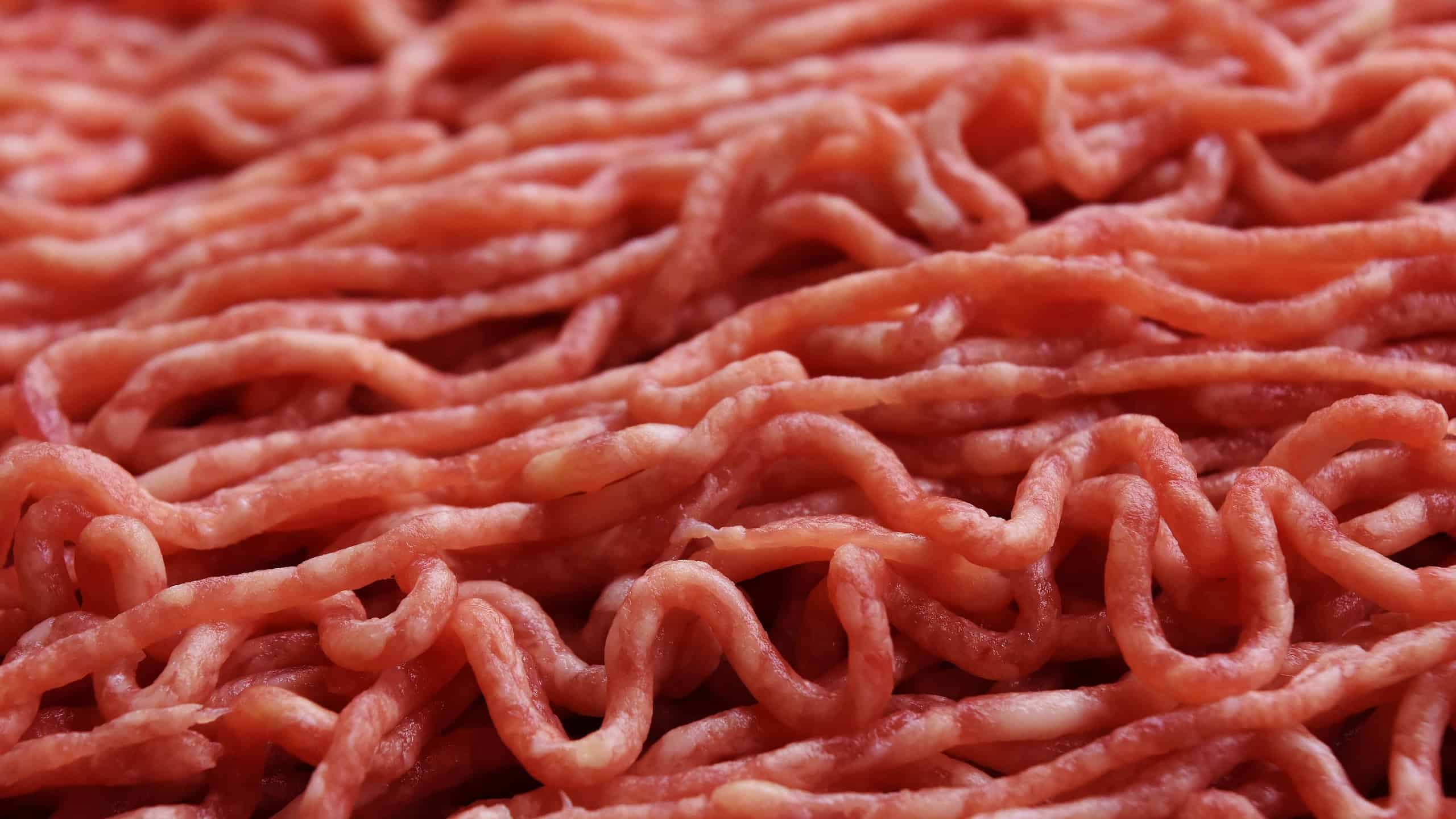
Ground meat from conventional livestock farming: Lab-grown meat producers promise an alternative that doesn't involve slaughter. Researchers from Leipzig have examined how these companies market their products. © Alexa/pixabay
A juicy steak that didn’t require a cow to die. That’s how companies around the world are advertising lab-grown meat. To produce it, they take a few cells from an animal. These cells are then allowed to multiply in large containers called bioreactors. In promotional videos on YouTube, the production of lab-grown meat appears clean, modern, and good for the climate. Is that really the case?
Researchers from Leipzig and Berlin took a closer look. They wanted to know what images and stories companies use to make their technology appealing to consumers.
From the cell straight to the grill
Frank Meyer and Judith Miggelbrink from the Leibniz Institute for Regional Geography (IfL) in Leipzig, together with Frank I. Müller from the Free University of Berlin, analyzed 41 promotional videos. Miggelbrink heads the IfL and teaches at the University of Leipzig. The videos come from companies that aim to produce meat, fish, or dairy products from cell cultures.
The team identified six narrative patterns that recur throughout the videos. People in white lab coats symbolize safety. Company executives and colorful graphics explain the technology. The camera jumps from the cell under the microscope to a family at the grill and on to a view of Earth from space. Green pastures evoke an idyllic past. Animals are given names, such as a chicken named Ian. The message is very clear: You can continue to eat meat, but without a guilty conscience.
The factory is missing from the picture
What’s striking is what the films usually leave out. Between the lab and the kitchen, the large factory is missing. Yet that is precisely where many unanswered questions lie. How much energy does mass production require? Who builds the facilities? And who authorizes the sale?
Lab-grown meat is not yet approved in the EU. Its carbon footprint also remains unclear. How environmentally friendly the production would be depends, among other things, on energy consumption and the processes used. Some calculations suggest advantages over conventional beef, especially when renewable energy is used.
In contrast, researchers at the University of California, Davis, warned in a 2023 study – which had not yet been peer-reviewed at the time—that lab-grown meat could actually be more harmful to the climate than beef under certain production conditions.
An industry facing challenges
Added to this are economic difficulties. The industry has significantly less funding available than it did just a few years ago. By the end of 2025, two companies – Believer Meats and Meatable – whose promotional videos the researchers had examined – had even ceased operations.
The study does not show whether the advertising actually changes opinions. However, it does show how companies portray a possible future as credible and desirable. “Our findings show that the competition for the future of protein supply is not taking place solely in laboratories and bioreactors, but also in images, stories, and promises,” says Judith Miggelbrink.
Whether lab-grown meat actually delivers on the companies’ promises is far from clear. However, the study shows how they are trying to convince people of this future.
Original publication:
Müller, F. I., Meyer, F. & Miggelbrink, J. (2026). From lab to table: promissory narratives and the future of protein production in response to global crises. Geographica Helvetica, 81(3), 463–479.