How old rotor blades could be turned into new components
In the 2030s, up to 50,000 metric tons of old rotor blades could be generated annually. Researchers in Leipzig are developing a process to recover glass fibers from them and use them to make new plastic parts.
Read Aloud
0:00
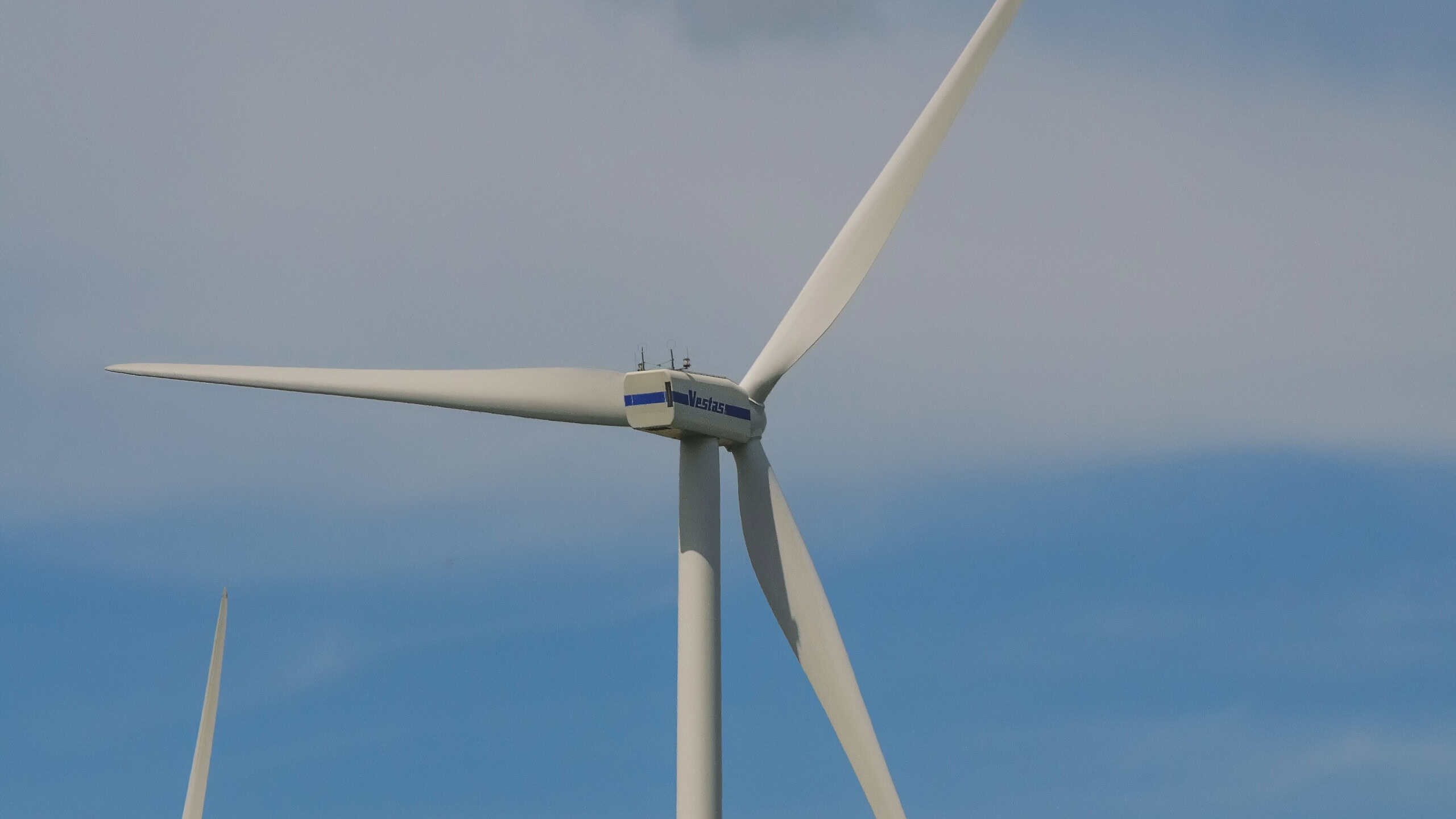
Wind turbine rotor blades are largely made of plastic reinforced with glass fibers. This makes them difficult to recycle. © René Bittner/pixabay
Wind turbines can generate electricity for 20 to 30 years. After that, many of them must be dismantled. Steel and concrete are relatively easy to recycle. The situation is more difficult when it comes to the rotor blades. They consist largely of plastic reinforced with glass fibers. This makes the huge blades light and sturdy. However, glass fibers and plastic are difficult to separate from one another.
The problem is growing. The Federal Environment Agency estimates that by the 2030s, there will be up to 50,000 metric tons of end-of-life rotor blade material per year. So far, some of the material has been recycled in cement plants, for example. In this process, the plastic provides energy for the process, while the glass fibers end up in the cement. Researchers in Leipzig are now looking for a way to reuse more of the materials contained in the blades for new products.
Three partners are working on recycling
The new research project is called Blade2Poly. The project partners aim to recover glass fibers from old rotor blades and process them together with recycled plastic into a new material. To this end, they are developing a recycling process designed to consume as little energy as possible.
HTWK Leipzig, KomRec-ReCond GmbH, and Schmaus Kunststoffaufbereitung are collaborating on Blade2Poly. They are examining the entire process, from the old rotor blade to the new plastic material. First, the researchers are analyzing the composition of the various rotor blades. They then prepare the material for recycling. In doing so, they are also investigating how the different materials can best be processed during the recycling process.
New components from old rotor blades
The new material is intended to be suitable for injection molding. In this process, heated plastic is injected into a mold. After cooling, this forms a solid component. The researchers involved in the project must determine whether the recycled material can be used for this purpose as planned.
Blade2Poly will run from June 2026 to January 2029. The project is funded by the Central Innovation Program for SMEs (ZIM). By then, the partners aim to develop a process that will allow more material from old rotor blades to be reused in new products.