
Electric motors caught in the raw materials trap
Copper and rare earth elements are used in many electric motors. This makes manufacturers dependent on just a few countries. The Fraunhofer IFAM has an idea that could help.
Read Aloud
0:00
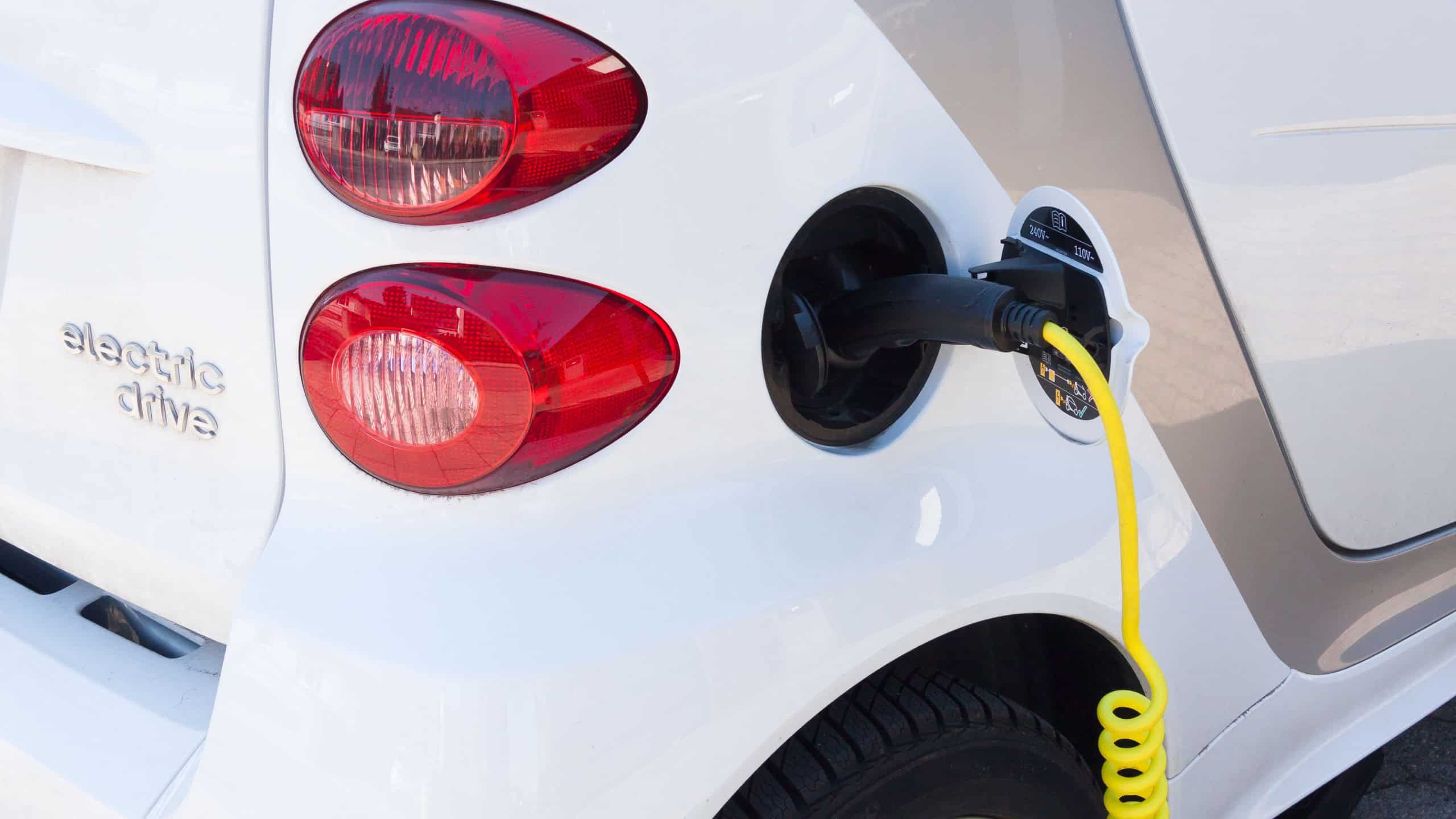
Electric cars need motors. How can copper and rare earth elements be replaced in electric motors? The Fraunhofer IFAM is conducting research on this. © Stefan Schweihofer/pixabay
Without electric motors, very little in our daily lives would function. They’re not only found in electric cars, but also power our washing machines. In elevators, they ensure that we can comfortably reach the right floor. They’re made from raw materials that aren’t available in unlimited quantities on our planet. Their coils are often made of copper. Some motors require magnets containing rare earth elements.
The Fraunhofer Institute for Manufacturing Technology and Applied Materials Research (IFAM) in Dresden is therefore investigating how these raw materials can be replaced in electric motors. Through the end of 2028, IFAM will receive more than two million euros from the Free State of Saxony and the European Union for its work on the SIREN project.
Motor parts made from metal powder
The researchers’ idea: They want to manufacture components from metal powder. To make this work, they shape the powder into the required form and heat it. This causes the powder particles to bond firmly together. The technical term for this is sintering. The IFAM team plans to use this process to produce even complex parts in the future.
An electric motor rotates with the help of magnetic fields. These fields must act at the correct location within the motor. To make this work, many thin steel sheets are stacked on top of one another. They are shaped in such a way that they guide the magnetic field close to the rotating part of the motor. The researchers plan to combine different metals for this purpose in the future. Depending on which metal they use where, they could direct the magnetic field precisely.
The team is working on two types of motors. For the first, they are using ferrite magnets. This is an iron-based material that does not require rare earth elements. The second type of motor does not need permanent magnets. In this design, aluminum coils generate the magnetic field. When the coils are activated one after another, the magnetic field moves in a circle. The moving part of the motor follows and rotates.
Although aluminum is lighter, it conducts electricity less efficiently. This generates more heat than in a copper coil, so cooling is necessary. The scientists therefore plan to integrate cooling channels directly into the coils.
Alternatives urgently sought
Global supply chains have recently made it clear time and again just how important alternatives to rare-earth magnets are. According to information from the International Energy Agency, for example, China accounted for around 60 percent of global rare earth production in 2024. In terms of processing, the figure was 91 percent. In April 2025, China introduced export controls on certain rare earths.
Motors without permanent magnets already exist. BMW has been using electric motors without permanent magnets in its iX model since 2021. An electric current generates the magnetic field in the rotating part of the motor. In the Belgian research project AM4EM, teams investigated how coils and other motor parts can be manufactured using 3D printing.
In their project, the researchers at IFAM are focusing on the process from raw material to test motor. In the future, this should make it possible to develop propulsion systems for land, water, and air vehicles. However, the researchers still need to test how powerful the motors are with the new components.
The project is also already considering future implementation. Small and medium-sized enterprises in Saxony will gain access to the developed manufacturing processes.